Hot topic
Drought, then prices: how the harvest story moved from the weather page to the economy desk in eleven days
Social media carried the story first, farmers posting from the fields. The press caught up when the ministry put a number on the losses, and from then on it was a story about food prices.

Intercept Research Desk

from the first farmer posts to the first front-page price story
social coverage led the press before national outlets picked it up
of press mentions in week three framed the drought as a consumer-price issue
Where it started
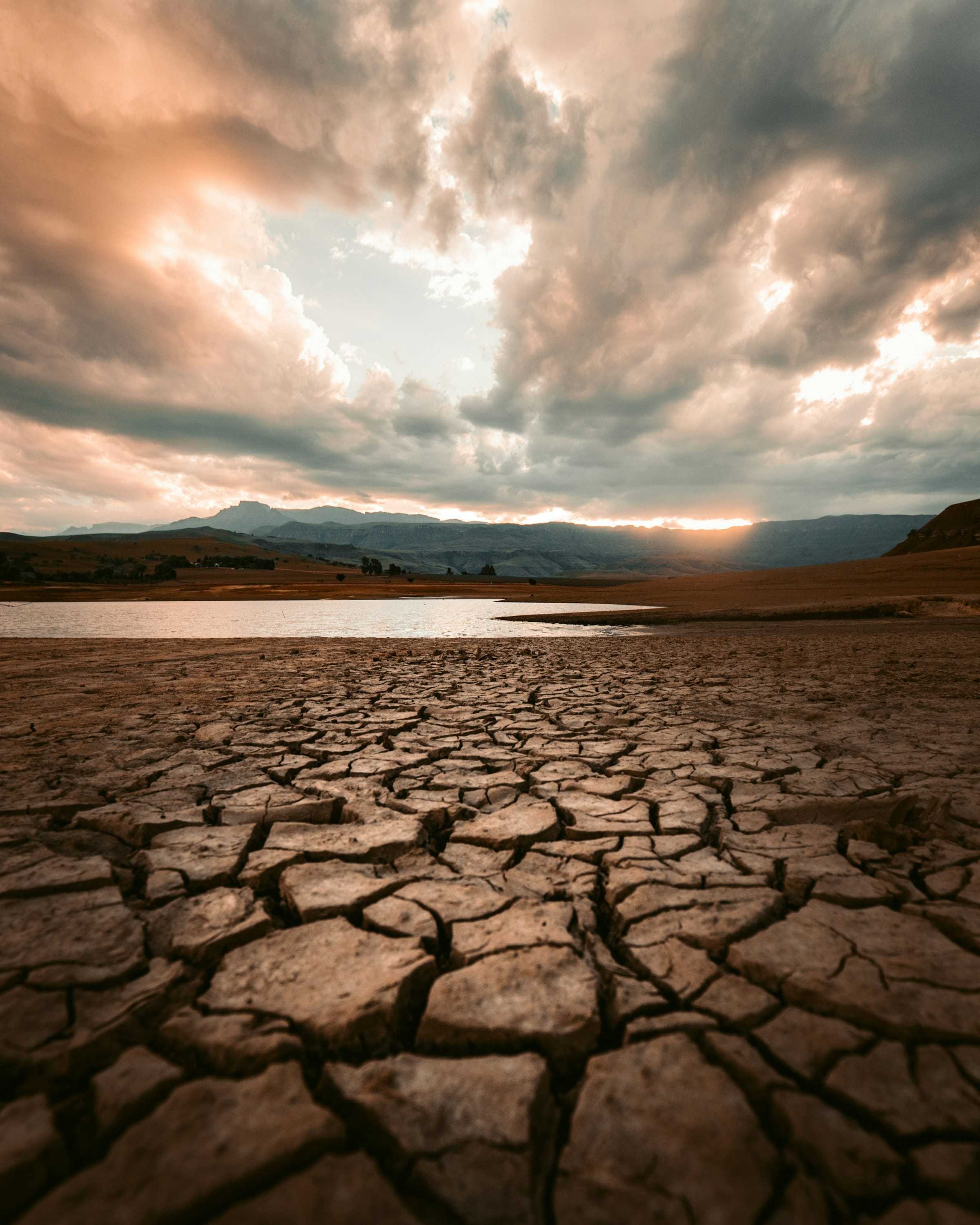
The first posts appeared on 12 September, in farming groups on social media: photos of cracked soil, maize cobs half the usual size, short videos filmed from tractor cabs. For three days the story lived almost entirely on social media. The press that did cover it filed it under weather, next to the forecast.
The day the numbers arrived
On 19 September the agriculture ministry published its first estimate of crop losses. Within hours the story changed desks. National dailies that had ignored the farmer posts ran the figure on their front pages, and business sites began asking what it would mean for the processing industry.
The press did not discover the drought. It discovered the number.
From farms to shopping baskets
By the third week the framing had moved again. Most press mentions now discussed the drought as a question of bread, flour and feed prices. Farmers appeared less often as sources; retail chains, economists and consumer groups appeared more often. Social discussion followed the same turn, with the most-shared posts comparing shelf prices week on week.
What this means for agri businesses
For a company in the supply chain, the early signal was available three days before the press had it, in public posts from its own suppliers. The second signal, the shift to a price story, was the one that reached customers and regulators. Both were visible in the coverage. Neither showed up in a keyword alert for the company’s name.
- 214 outletsHU, SK, RO, HR
- Major platformsPublic posts and comments
- 9–29 September 202621 days
- 1,184 mentionsWeather forecasts, recipes, gardening
Mentions were collected with Intercept and filtered for relevance to the 2026 harvest. Framing was coded by two analysts on a sample of 400 press articles; disagreements were resolved together. Counts include original articles and posts, not reshares.


